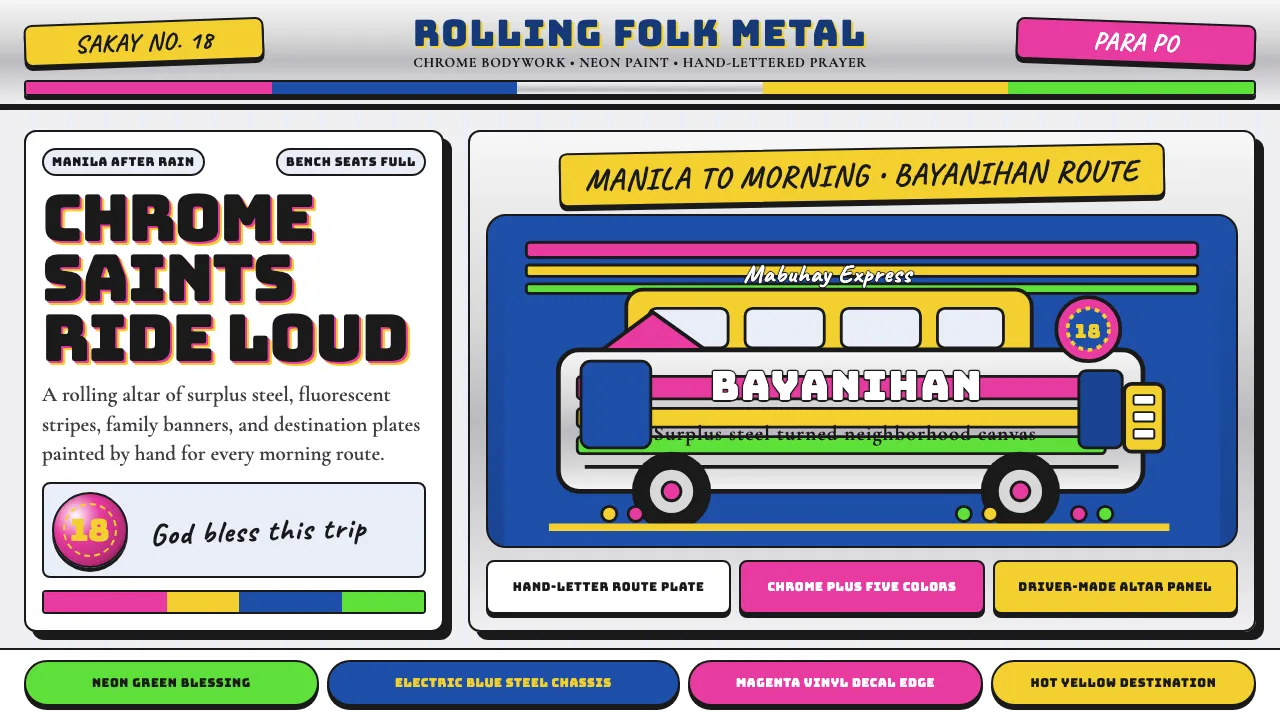
About Filipino Jeepney
The Filipino jeepney is post-WWII Manila's most distinctive folk-art object: surplus US-Army jeeps stretched longer, fitted with bench seats for 18 passengers, and then completely repainted by their drivers in chrome, neon stripes, hand-lettered destination signs, Catholic saints, family-name banners, and pop-culture decals.
The aesthetic treats the chassis as canvas — every centimeter saturated chrome plus neon plus hand-letter plus holy-card. Each jeepney is fully unique, hand-customized, and unmistakably loud. The design system encodes that maximalism: chrome silver as base metal, three to five neon brand colors per surface, and chunky display lettering paired with painter-script slogans.
- Origin
- Philippines — Manila and provincial cities
- Era
- 1945 onward (post-WWII surplus jeep conversion); golden age 1960s–1990s; threatened phase post-2017 PUV Modernization Program
- Key figures
- Sarao Motors · Francisco Motors · Sonny Yabao · Wig Tysmans
- Movements
- Filipino vernacular folk-art · colonial-syncretic visual culture · transit-vehicle-as-canvas tradition
Filipino Jeepney design spec
Colors
Typography
The other 11 sections — buttons, cards, spacing, motion, techniques and more — open once you unlock. Download the DESIGN.md or send it to your AI in one click. Unlock once, yours forever.
Sign up nowStyles similar to Filipino Jeepney
Also inspired by crafts & folk art, with a close feel.
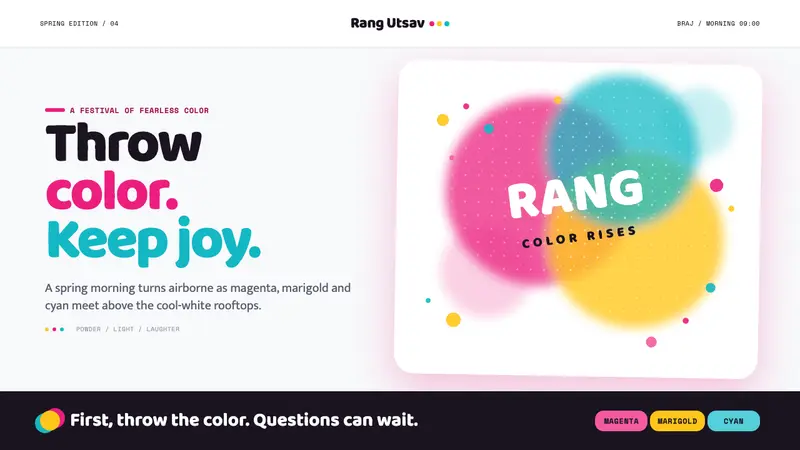 Holi Festival of ColorsColor refuses to sit still. Magenta, marigold and cyan powder bloom across cool white.
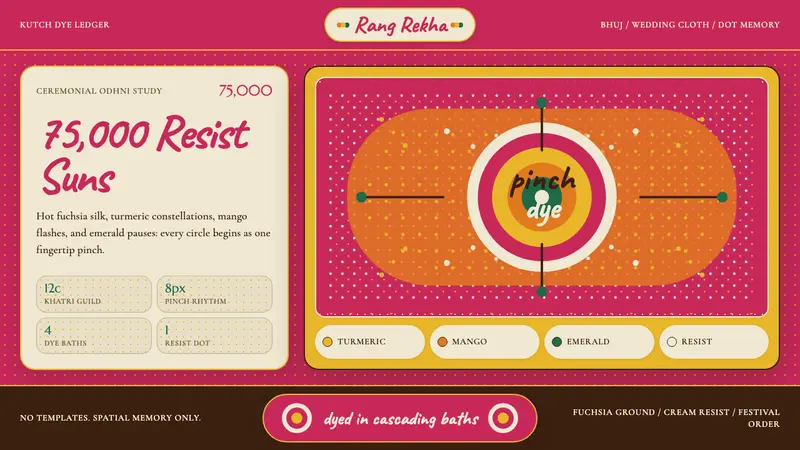 Gujarati Bandhani Tie-DyeFestival precision. Fuchsia cloth, turmeric dot constellations, Caveat lettering.
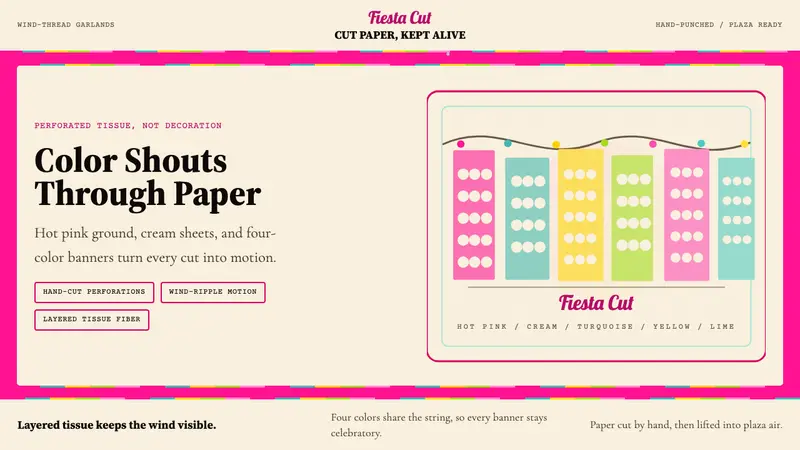 Mexican Papel Picado TissueFiesta cut paper. Hot pink, turquoise, yellow banners and hand-cut perforations.
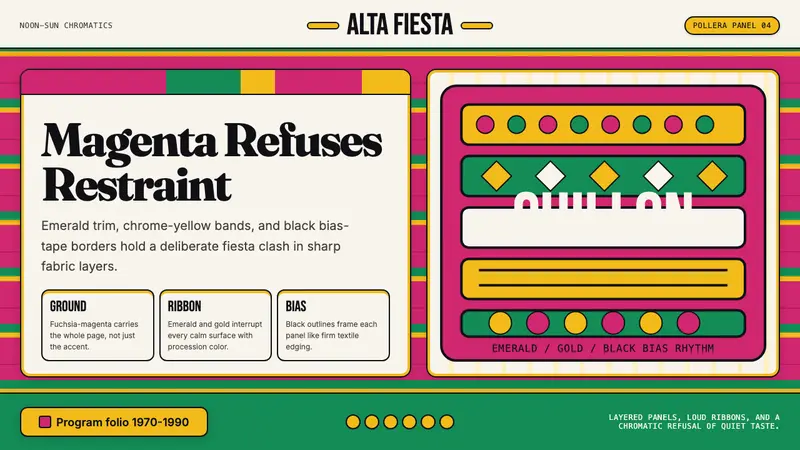 Bolivian Pollera Fiesta MagentaChromatic defiance. Magenta ground, emerald bands and black outlines clash like fiesta trim.