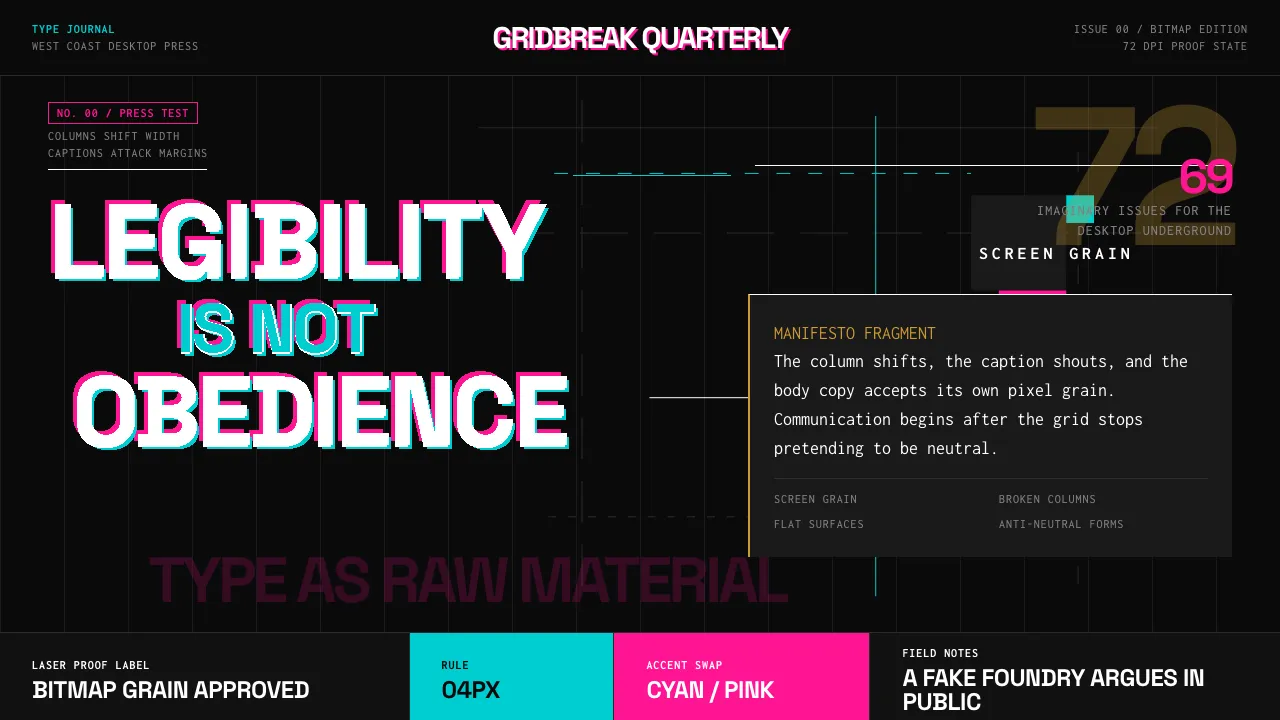
About Emigre Magazine (1984–2005)
Emigre was the Berkeley-based quarterly that rode the Macintosh into a new typographic century. Across 69 issues from 1984 to 2005, founders Rudy VanderLans and Zuzana Licko turned a desktop computer and a laser printer into a printing press, foundry, and manifesto.
The magazine treated type as raw material — overlapping, distorted, scaled to extremes, rendered in Licko's own bitmap and PostScript faces. Every spread argued that variation, not consistency, was the real design system, and that digital roughness was beautiful.
- Origin
- Berkeley / Sacramento, California
- Era
- 1984–2005 (69 issues); peak influence late 1980s–1990s
- Key figures
- Rudy VanderLans · Zuzana Licko · Barry Deck · Jeffery Keedy
- Movements
- Digital typography revolution · Deconstructivist graphic design · Cranbrook Academy influence
Emigre Magazine (1984–2005) design spec
Colors
Typography
The other 11 sections — buttons, cards, spacing, motion, techniques and more — open once you unlock. Download the DESIGN.md or send it to your AI in one click. Unlock once, yours forever.
Sign up nowStyles similar to Emigre Magazine (1984–2005)
Also inspired by print & type, with a close feel.
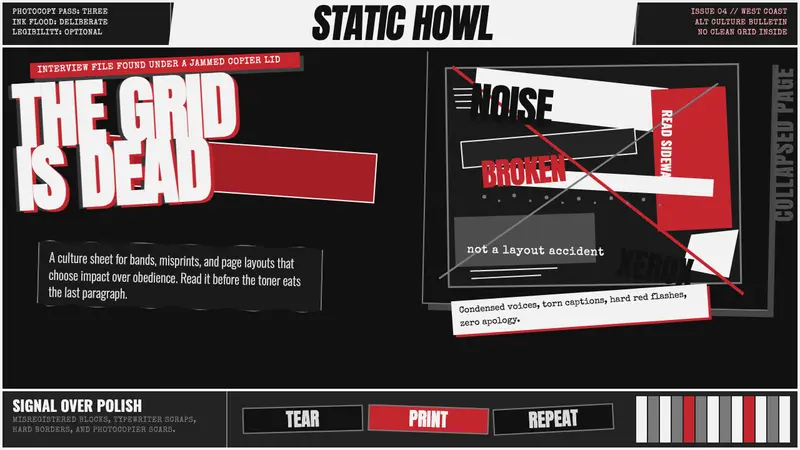 Ray Gun / David CarsonChaos becomes voice. Ink-black pages, Anton collisions, Xerox grain, and one red scar.
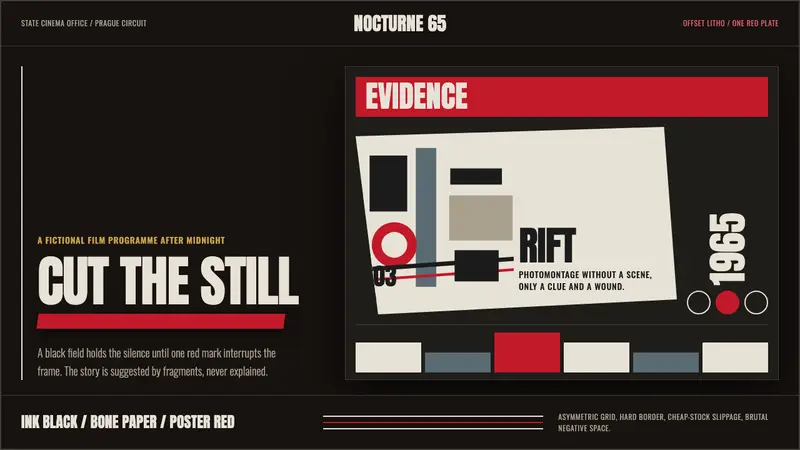 Czech New Wave PosterConcept before spectacle. Ink black, bone type and one poster-red incision fracture the grid.
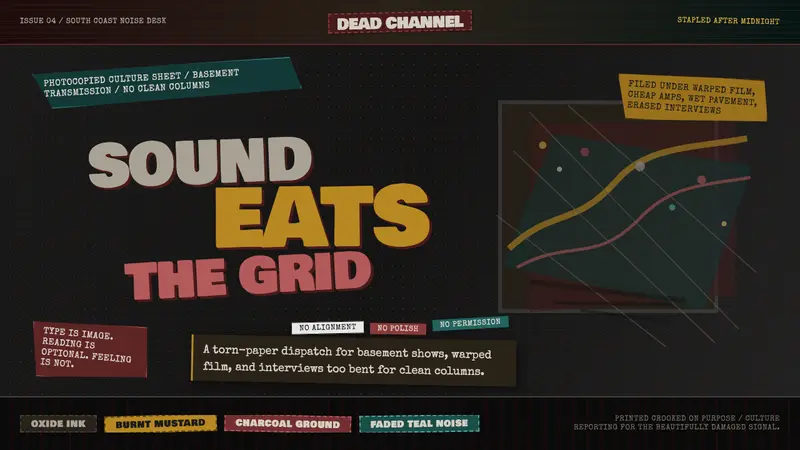 Grunge (Carson 1993)Carson's anti-rules, photocopied. Oxblood on charcoal, distressed type, deliberately broken grids.
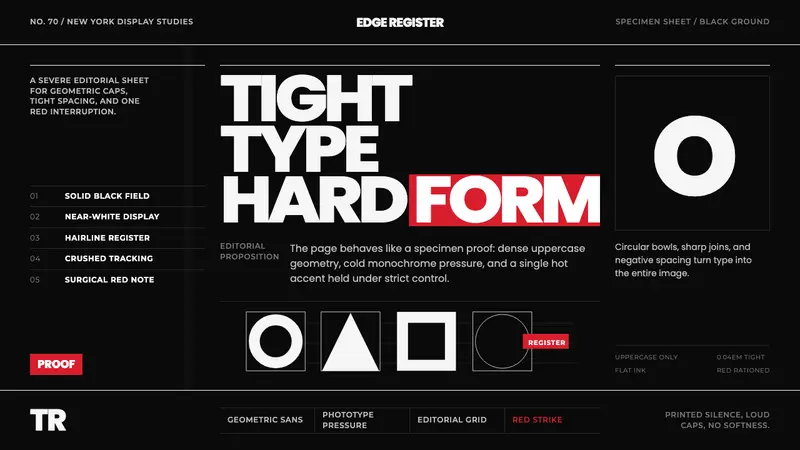 Avant Garde GothicType is the image. Tight white caps on black, ruled grids, one hot red strike.