About Chilean Arpillera (Pinochet Resistance)
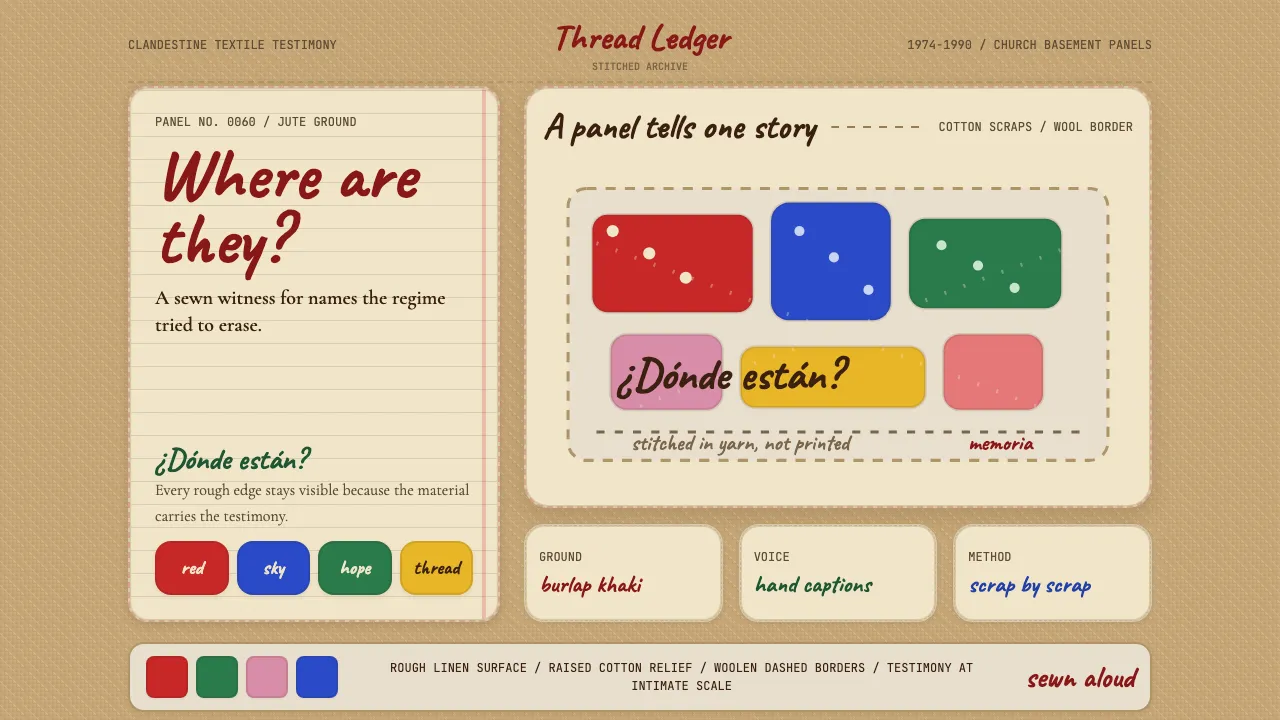
Chilean arpilleras are small burlap panels stitched in secret by women whose families were disappeared under the Pinochet dictatorship. Working in church basements under the protection of Santiago's Vicaría de la Solidaridad, they cut cotton scraps into naive figures — raised hands, prison fences, soup kitchens, doves — and appliquéd them onto coarse jute sacking, embroidering captions like "¿Dónde están?" in woolen yarn.
As a design system the arpillera translates that urgent, handmade witness into jute-khaki page grounds, primary-color fabric-block accents, hand-stitched letterforms, soft woolen-yarn borders, and asymmetric narrative compositions where every panel tells a single irreducible story.
Learn more about the Chilean Arpillera (Pinochet Resistance) style
- Origin
- Chile (Santiago — Vicaría de la Solidaridad workshops; later spread to regional cities)
- Era
- 1974–1990 (Pinochet dictatorship); post-1990 as memorialization
- Key figures
- Cardinal Raúl Silva Henríquez · Valentina Bonne · Marjorie Agosín · Roberta Bacic
- Movements
- Chilean political testimony art · Vicaría de la Solidaridad Catholic-protection movement · Latin American women's resistance textile traditions
Chilean Arpillera (Pinochet Resistance) design spec
Colors
Typography
The other 11 sections — buttons, cards, spacing, motion, techniques and more — open once you unlock. Download the DESIGN.md or send it to your AI in one click. Unlock once, yours forever.
Sign up nowStyles similar to Chilean Arpillera (Pinochet Resistance)
Also inspired by crafts & folk art, with a close feel.
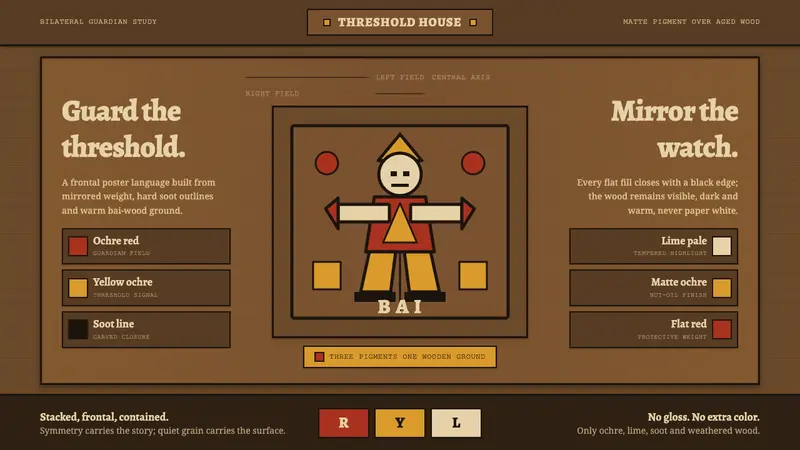 Palauan Dilukai Gable FigureGuardian symmetry on old wood. Ochre red, yellow and soot black lock each flat form.
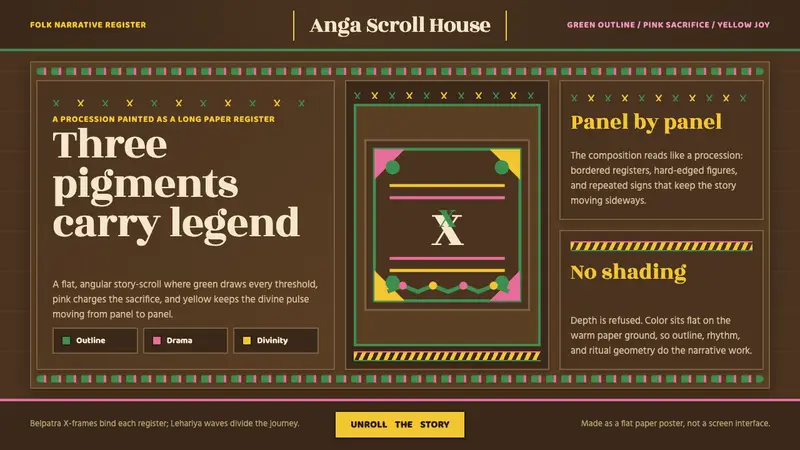 Manjusha Anga Snake-ScrollLegend moves in three pigments. Green outline, pink drama, yellow divinity on brown scroll paper.
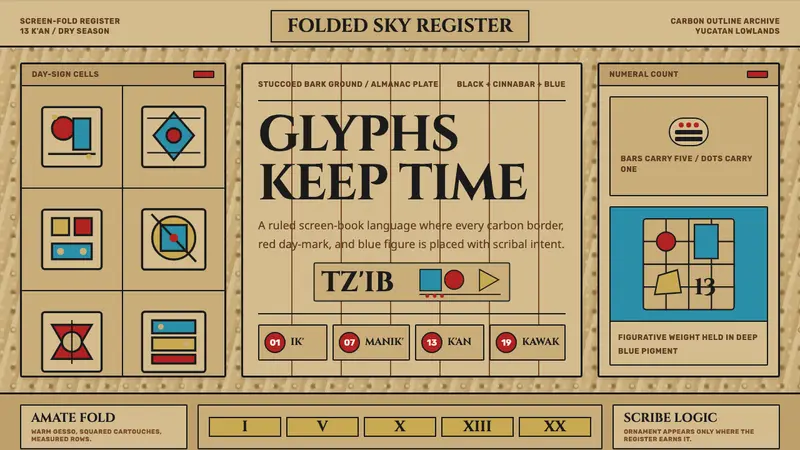 Maya Glyph CodexScribal authority on bark. Cinnabar, Maya Blue, and carbon rules lock into almanac panels.
 Palestinian Keffiyeh GridMemory in black and cream. Fishnet grid, olive border, and austere Anton type.