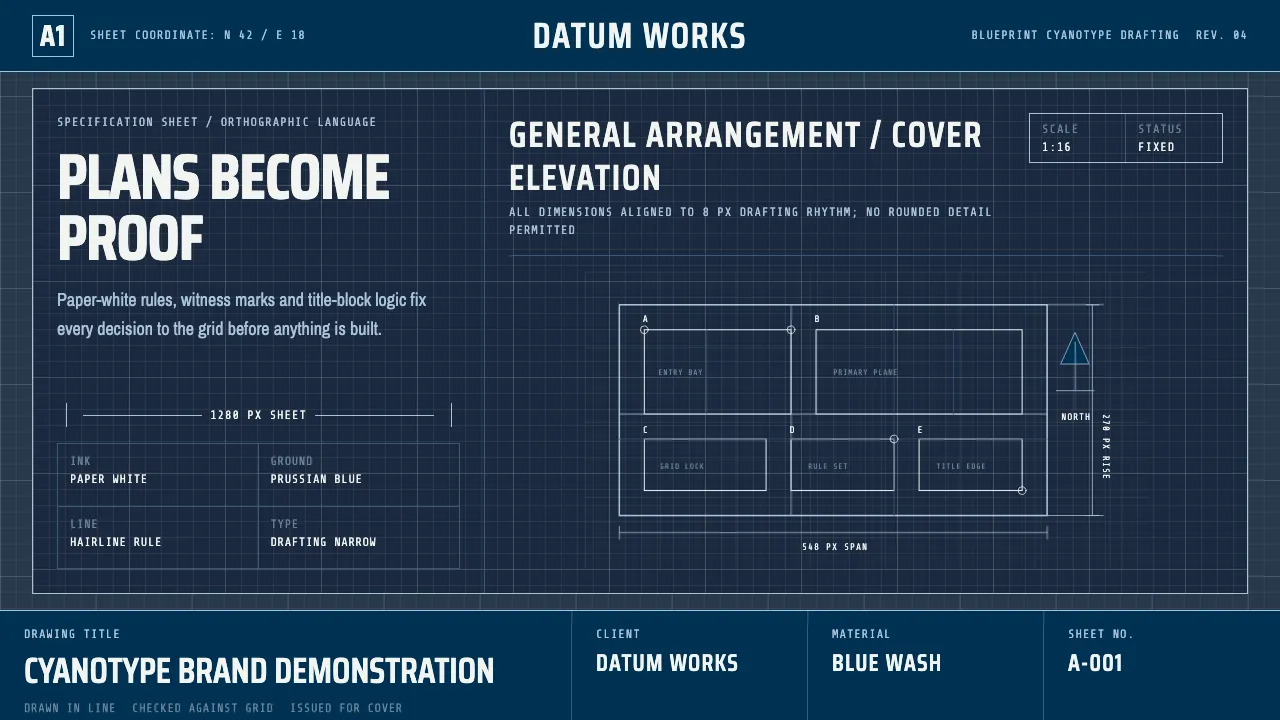
About Cyanotype Blueprint
The cyanotype blueprint was the standard reprographic process for architectural and engineering drawings from the late nineteenth century well into the twentieth. A ferric-sensitized sheet was exposed to ultraviolet light and washed in water, fixing a deep Prussian-blue ground while the drawn lines — shielded from exposure — survived as crisp white linework.
The result is an instantly legible engineering language: white hairlines, dimension callouts, witness lines, title-block tables and revision clouds laid over saturated blue. This system reads that artifact literally — paper-white ink on blueprint blue, set in narrow drafting grotesques and technical monospace, with not a single rounded or decorative gesture.
- Origin
- Western Europe
- Era
- 1900–1950 (cyanotype process from 1842)
- Key figures
- Sir John Herschel
- Movements
- Reprographic drafting · Architectural and engineering documentation
Cyanotype Blueprint design spec
Colors
Typography
The other 11 sections — buttons, cards, spacing, motion, techniques and more — open once you unlock. Download the DESIGN.md or send it to your AI in one click. Unlock once, yours forever.
Sign up nowStyles similar to Cyanotype Blueprint
Also inspired by print & type, with a close feel.
 Microfiche ArchiveRecords as lit frames in a matrix. Cyan-blue back-lit panel, glowing mono type, R·C indexed cells.
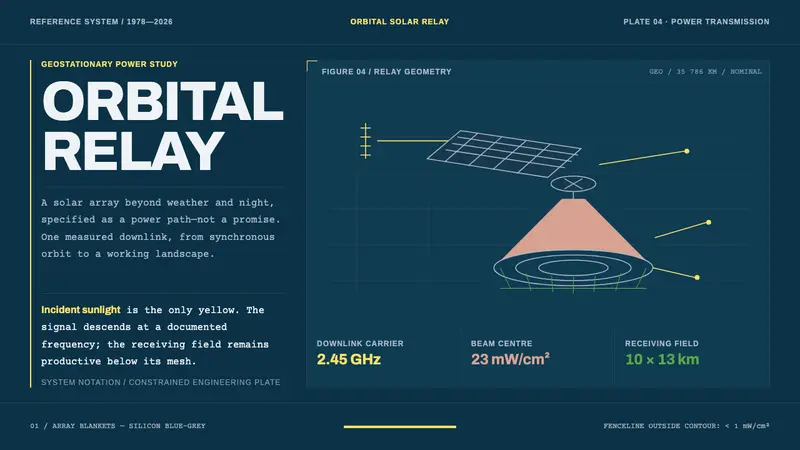 Orbital Solar RelayEngineering, not spectacle. Archivo and typewriter copy map a measured yellow beam on orbital navy.
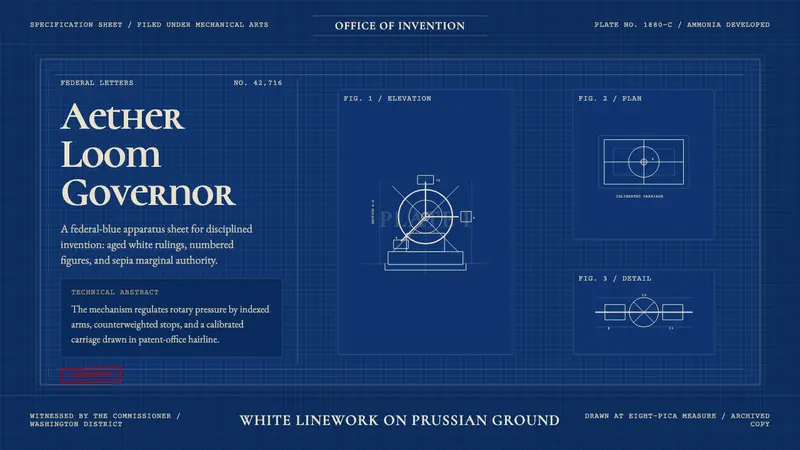 Patent Cyanotype Drawing (1880)Federal authority, chemically printed. Prussian blue gridwork carries aged-white patent lines.
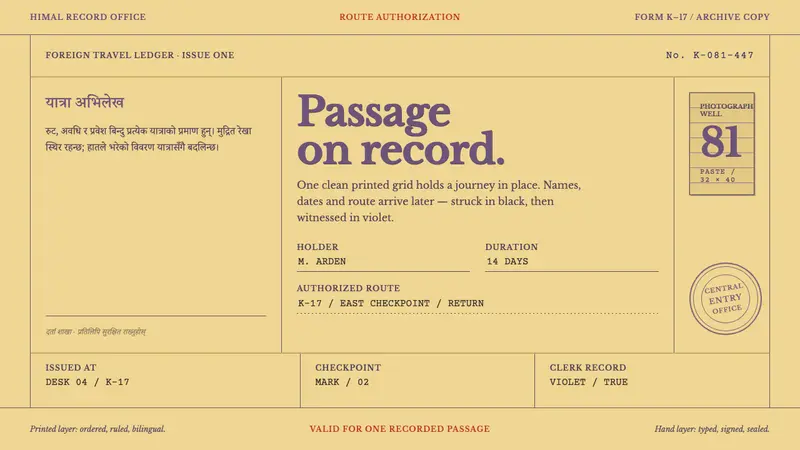 Trekking Permit 1980Order bears the journey. Violet letterpress rules hold typed records and crooked seals.