About Bauhaus Textile (Anni Albers)
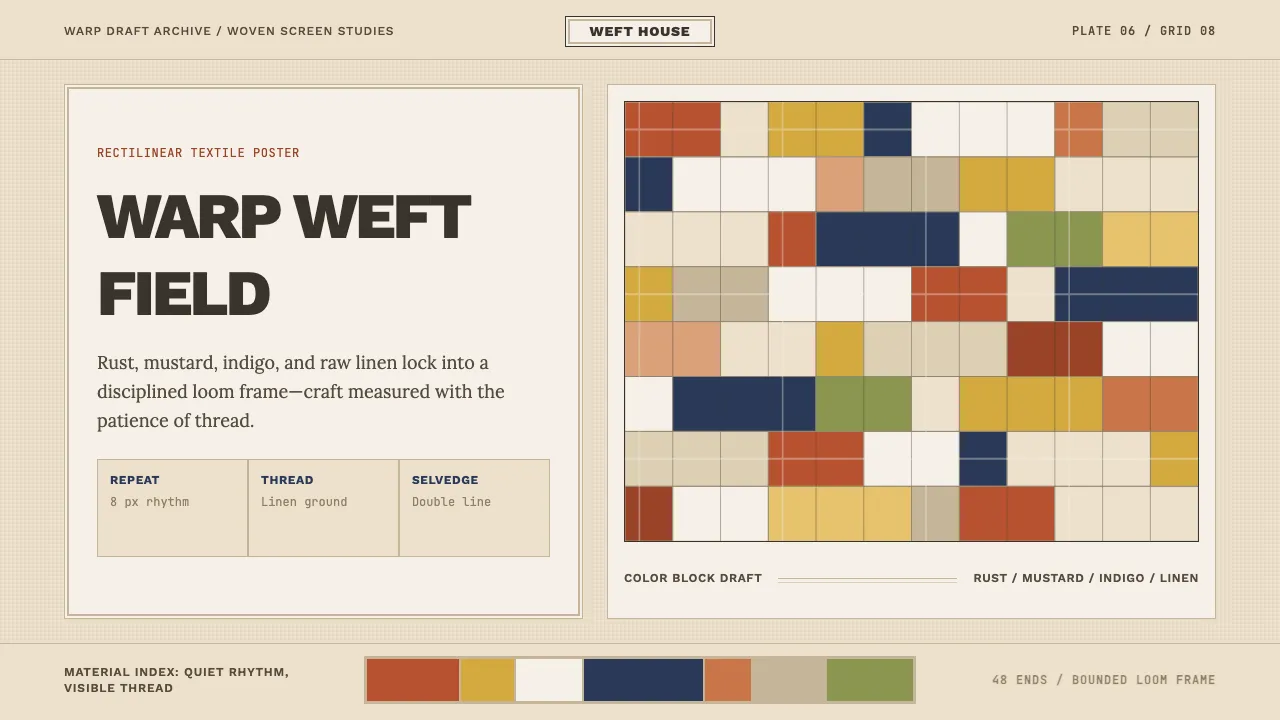
Anni Albers transformed the loom into a design medium as rigorous as any Bauhaus drafting table. Her woven compositions — modular grids of rust, mustard, indigo, and linen — proved that textile could carry the same formal ambition as architecture or painting.
This system translates her warp-and-weft logic into digital interfaces: tight rectilinear grids, earthy-saturated color blocks, visible material texture, and the quiet rhythm of thread meeting thread.
- Origin
- Bauhaus Weimar/Dessau/Berlin; Black Mountain College, North Carolina; New Haven, Connecticut
- Era
- 1922 joined Bauhaus; visual language ~1926–1949
- Key figures
- Anni Albers · Josef Albers · Gunta Stölzl · Otti Berger
- Movements
- Bauhaus textile workshop · Black Mountain College textile arts · modernist craft tradition
Bauhaus Textile (Anni Albers) design spec
Colors
Background
Surface
Primary
Secondary
Accent
Text
Typography
Work SansHeadings
LoraBody
JetBrains MonoMono
Unlock for 1 credit
The other 11 sections — buttons, cards, spacing, motion, techniques and more — open once you unlock. Download the DESIGN.md or send it to your AI in one click. Unlock once, yours forever.
Sign up nowHave an account? Sign in
Styles similar to Bauhaus Textile (Anni Albers)
Also inspired by art & artists, with a close feel.
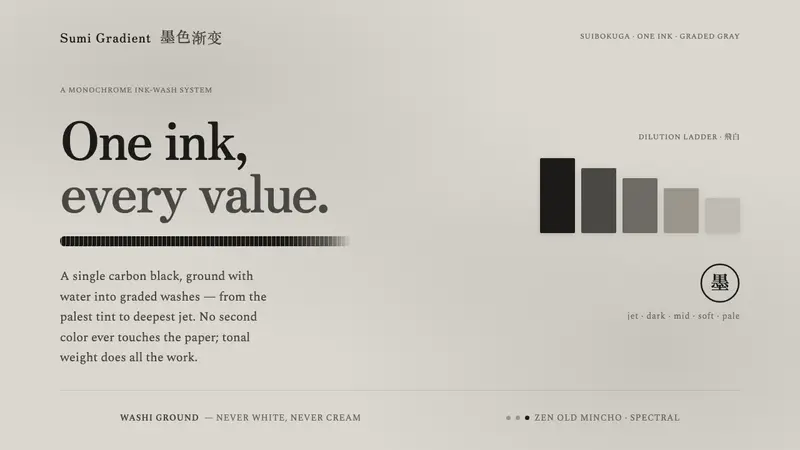 Sumi Grayscale GradientOne ink, every value. A single carbon black diluted into graded grays, marked by a dry-brush stroke.
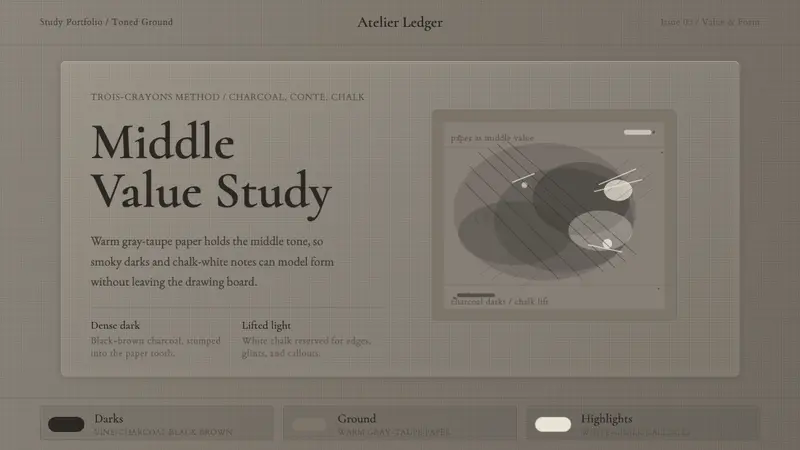 Charcoal & Conté DrawingAtelier calm, in middle value. Gray-taupe tooth, smoky charcoal, and chalk-white marks.
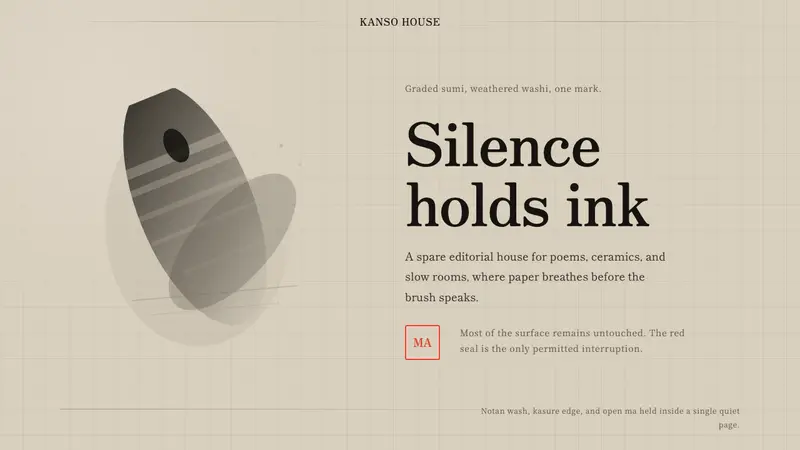 Sumi-e Ink WashRestraint carries weight. Washed black ink floats on oatmeal washi, anchored by one red seal.
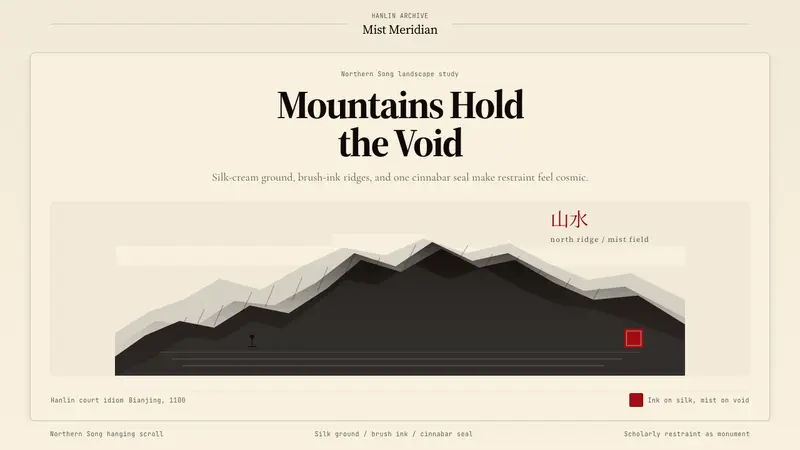 Song Landscape Painting (1100)Monumental calm. Silk-cream ground, ink ridges, and a cinnabar seal.