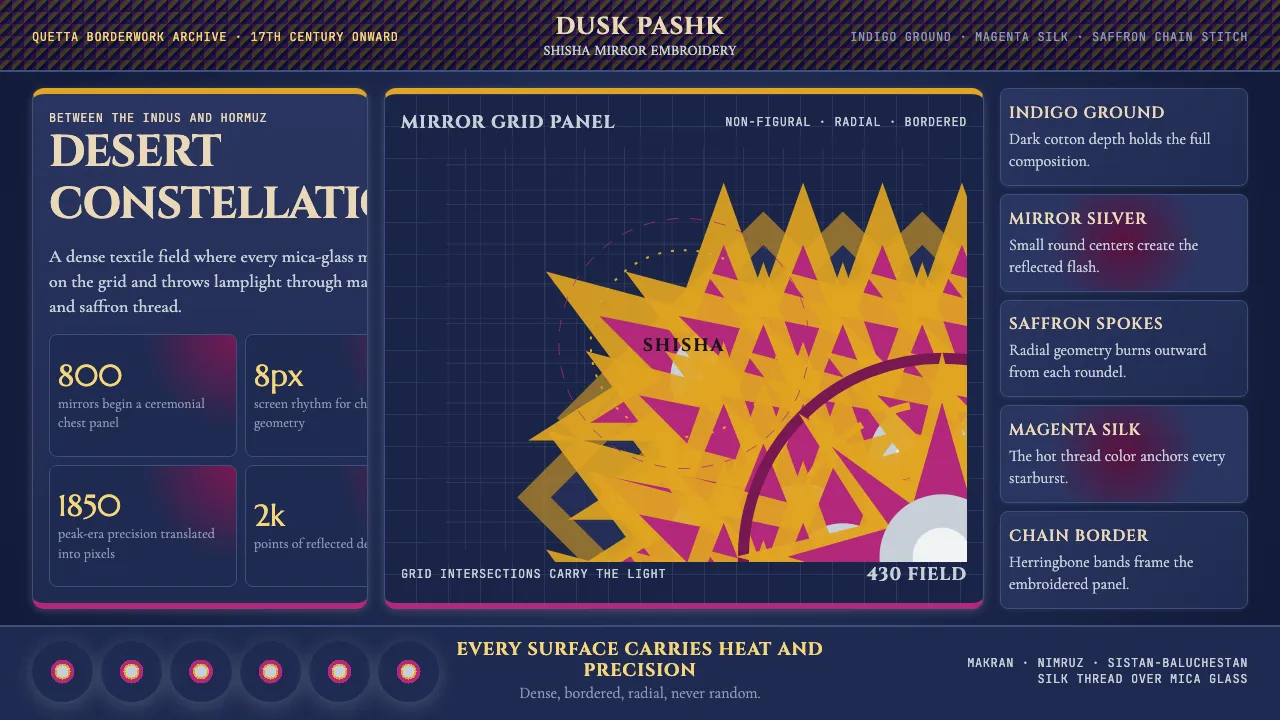
About Balochi Mirror Embroidery (Shisha)
Balochi mirror embroidery — shisha — is the most reflective garment tradition between the Indus and the Strait of Hormuz. Women in Balochistan sew hundreds of mica-glass mirrors into silk-thread starbursts on indigo and madder grounds, creating constellations that throw lamplight across the room.
This design system translates that radiant density into screen: deep indigo page ground, magenta-and-saffron starburst accents on tight grids, mirror-silver highlights, and serif typography that echoes the carved geometry of chain-stitch borders. Every surface carries the heat and precision of a Quetta bazaar at dusk.
Learn more about the Balochi Mirror Embroidery (Shisha) style
- Origin
- Balochistan — Pakistan (Quetta, Makran), Iran (Sistan-Baluchestan), Afghanistan (Nimruz)
- Era
- 17th century onward; peak craftsmanship ~1850–1960
- Key figures
- Jasleen Dhamija · Sheila Paine · Anita Spertus
- Movements
- Balochi pashk dress tradition · Sindhi-Baloch shisha continuum · Iranian-Pakistani borderland material culture
Balochi Mirror Embroidery (Shisha) design spec
Colors
Typography
The other 11 sections — buttons, cards, spacing, motion, techniques and more — open once you unlock. Download the DESIGN.md or send it to your AI in one click. Unlock once, yours forever.
Sign up nowStyles similar to Balochi Mirror Embroidery (Shisha)
Also inspired by crafts & folk art, with a close feel.
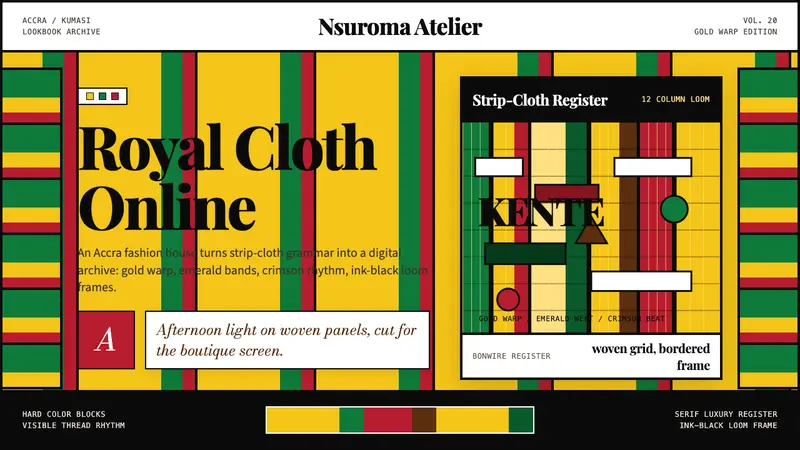 Ghana Kente Fashion 2020Royal cloth, digitized. Kente-gold grid, emerald bands, crimson stripes, serif authority.
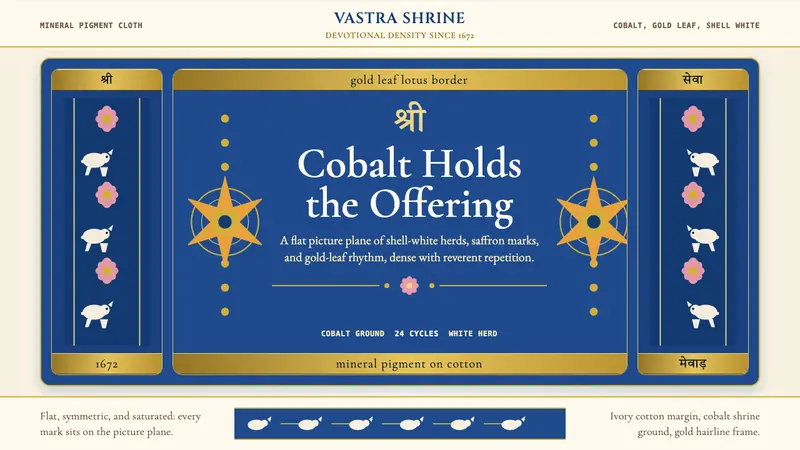 Rajasthani Pichwai (Nathdwara)Devotional density in cobalt. Gold borders, shell-white herds, lotus pink on ivory cotton.
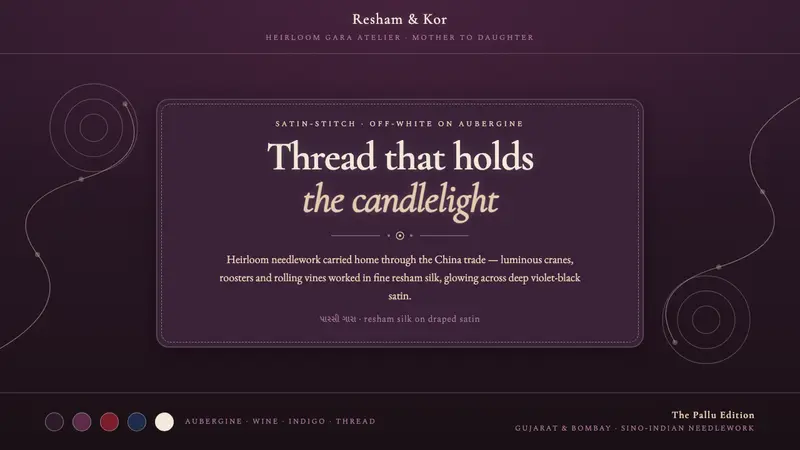 Parsi Gara EmbroideryHeirloom needlework, made digital. Off-white silk vines glow over deep aubergine satin, set in Garamond.
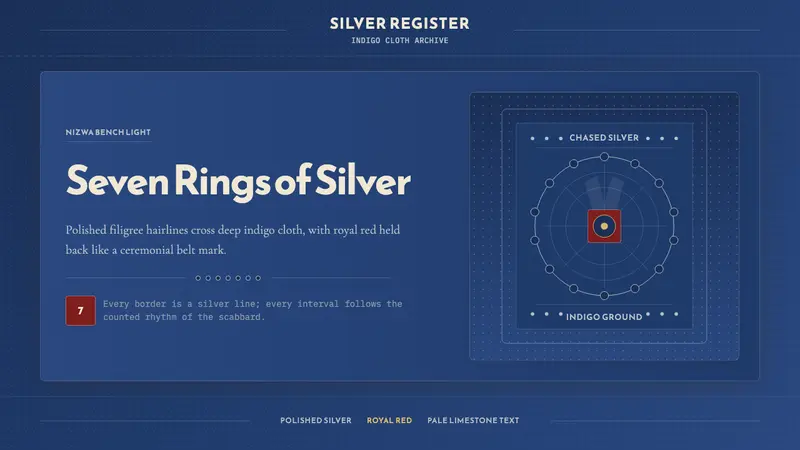 Omani Khanjar Silver DaggerFormal craft gleams. Silver hairlines and seven-ring rhythm rest on indigo cloth.