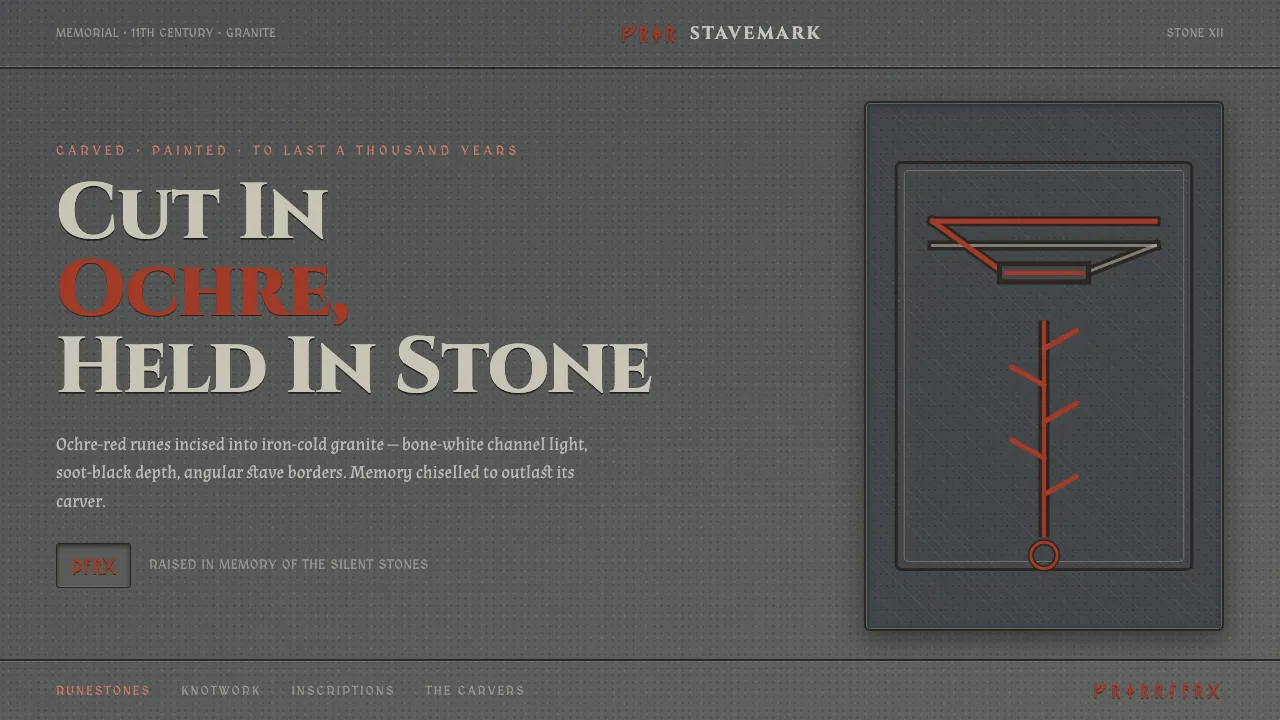
About Norse Runic Stave
The Norse runic stave is the visual language of Viking-age runestones and the galdrastafir tradition: carved granite faces incised with futhark runes and interlaced serpent knotwork, once filled with red ochre, bone white, and soot black.
Today the surviving artifacts are bare, lichen-flecked gray stone, but paint-residue tests confirm the carved channels once blazed with color. This system rebuilds that contrast — ochre-red runes cut into iron-cold granite, never cream, never white.
- Origin
- Eastern Europe / Scandinavia (the Norse runestone heartlands)
- Era
- pre-1900 (Viking-age runestones; the galdrastafir stave tradition)
- Key figures
- Viking-age rune-carvers · the patrons memorialised on the stones
- Movements
- Viking-age runic carving · Mammen and Urnes interlace knotwork · galdrastafir magical staves
Norse Runic Stave design spec
Colors
Background
Surface
Primary
Secondary
Accent
Text
Typography
CinzelHeadings
AlmendraBody
MedievalSharpMono
Unlock for 1 credit
The other 11 sections — buttons, cards, spacing, motion, techniques and more — open once you unlock. Download the DESIGN.md or send it to your AI in one click. Unlock once, yours forever.
Sign up nowHave an account? Sign in
Styles similar to Norse Runic Stave
Also inspired by crafts & folk art, with a close feel.
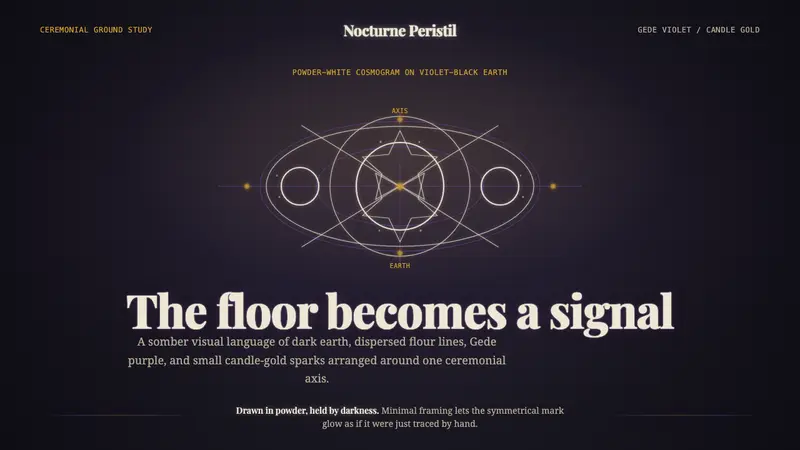 Haitian Vodou VèvèSomber ritual glow. Powder-white lines on violet-black earth, touched by candle gold.
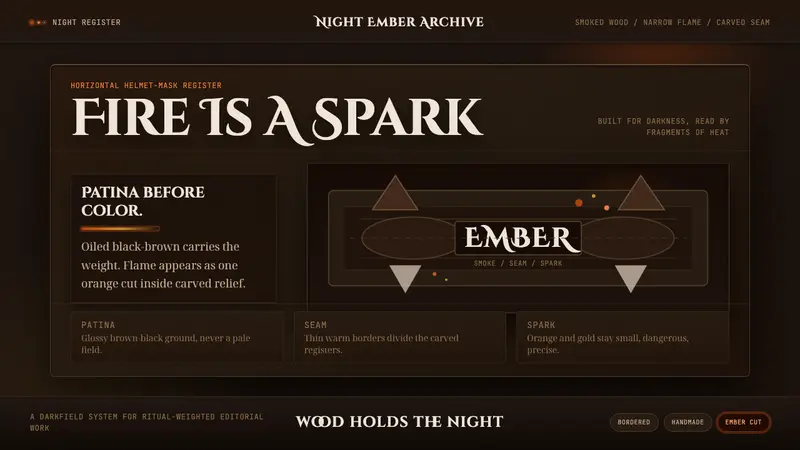 Senufo Firespitter MaskRitual darkness has heat. Smoked wood tones hold back tiny orange-gold sparks.
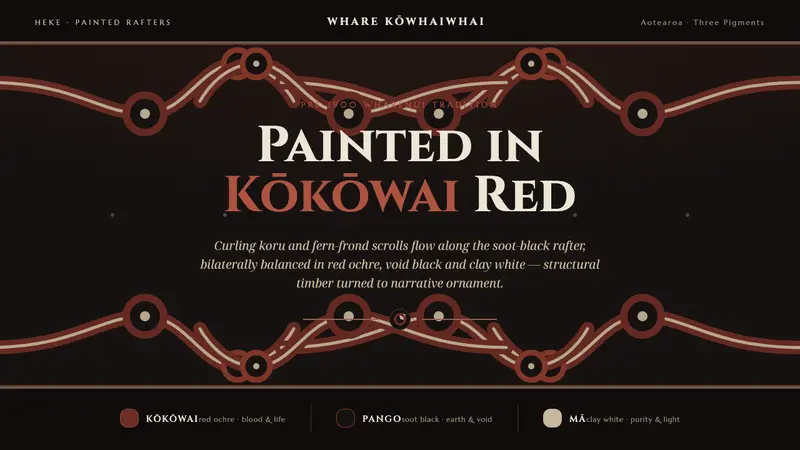 Māori Kōwhaiwhai RafterPainted timber, not pixels. Kōkōwai-red koru scrolls in mirrored balance on black, cut in Cinzel.
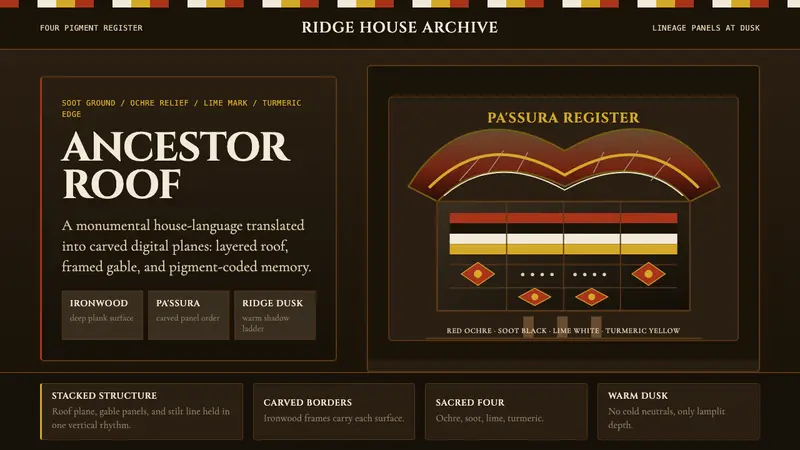 Torajan Tongkonan (Boat-Roof House)Ancestral dusk, carved in color. Soot black frames ochre, lime white, and turmeric bands.