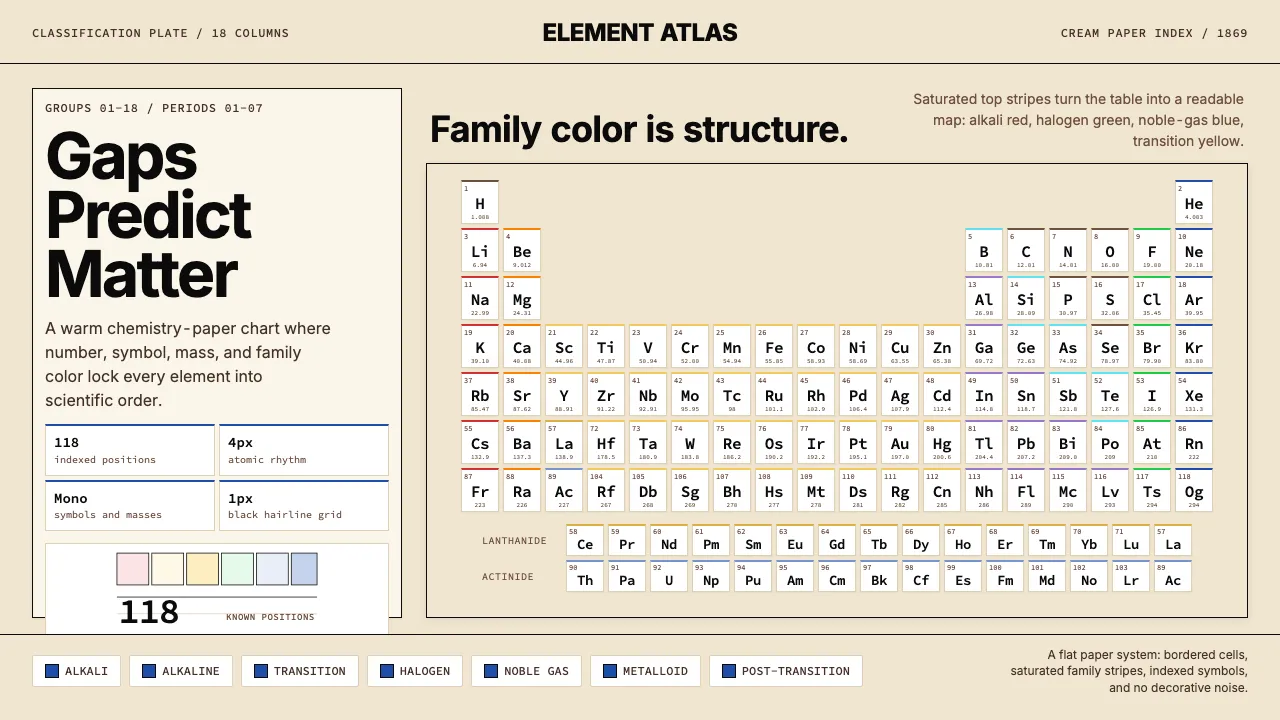
About Mendeleev Periodic Table
Mendeleev's Periodic Table of Elements (1869) is the canonical scientific classification visual — an 18-column grid-tabular structure organizing 118 elements by group, period, and classification, color-coded into chemical families. Born in St. Petersburg in *Zhurnal Russkogo Khimicheskogo Obshchestva*, it predicted elements not yet discovered.
The aesthetic is warm cream chemistry-paper, deep-black ink, saturated group-color-coded cells (alkali red, halogen green, noble-gas blue, transition yellow), and clean modernist sans-serif typography. It feels like a precise scientific chart: rigorous grid, tight letter-spacing, monospaced element symbols, atomic numbers indexed at every cell.
- Origin
- Russia (St. Petersburg) — global scientific canon
- Era
- 1869 (Mendeleev's original publication); ongoing canon with new elements added through 2016 (Oganesson #118)
- Key figures
- Dmitri Ivanovich Mendeleev · Henry Moseley · Glenn T. Seaborg
- Movements
- scientific-classification · chemistry-pedagogy · data-tabular-visualization
Mendeleev Periodic Table design spec
Colors
Typography
The other 11 sections — buttons, cards, spacing, motion, techniques and more — open once you unlock. Download the DESIGN.md or send it to your AI in one click. Unlock once, yours forever.
Sign up nowStyles similar to Mendeleev Periodic Table
Also inspired by science & nature, with a close feel.
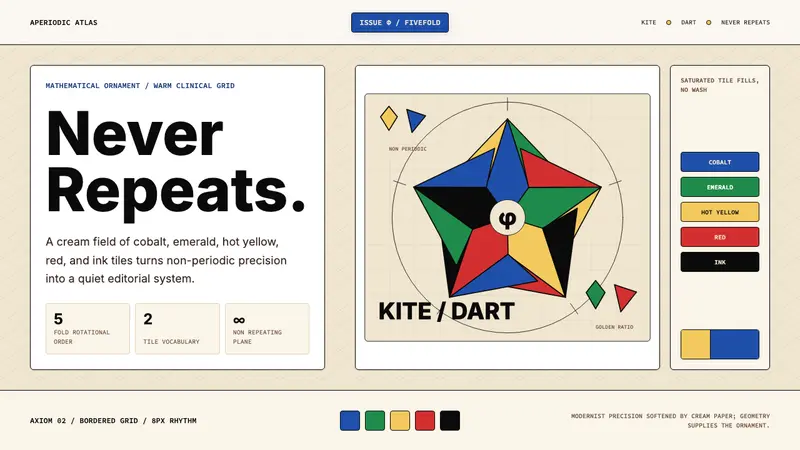 Penrose Aperiodic TilingAperiodic rigor, warmed. Cream grid carries cobalt, emerald and hot-yellow kite-darts.
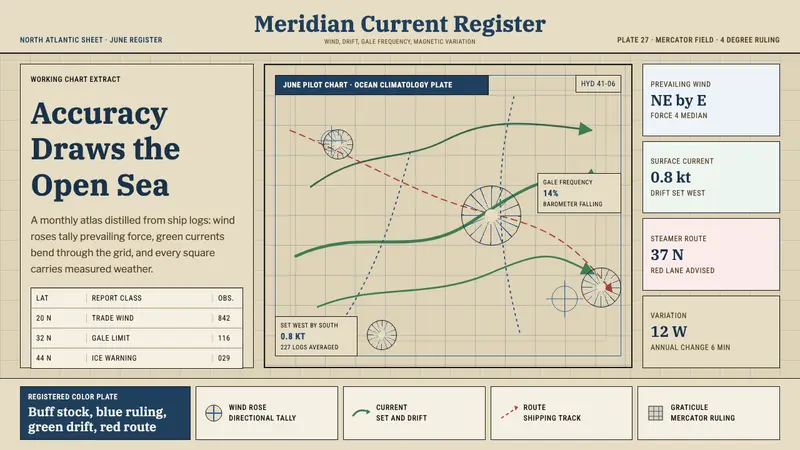 Ocean Pilot ChartAuthority by accumulation. Blue graticules and green currents crowd warm chart stock.
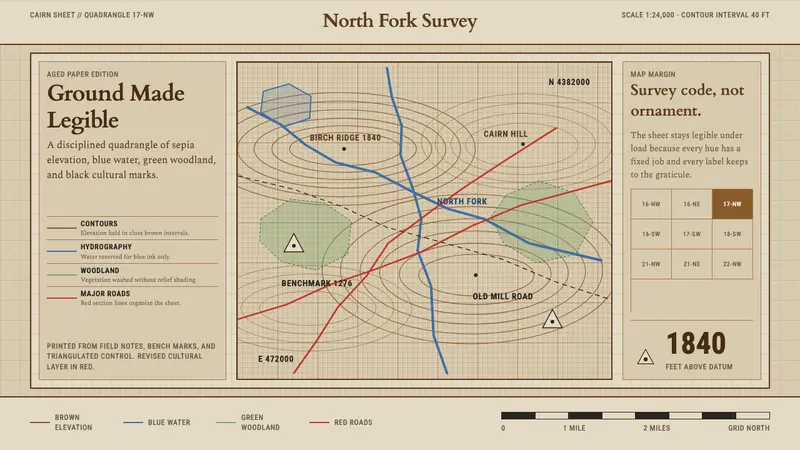 Topographic Survey MapMeasurement becomes beauty. Sepia contours and blue hydrography sit on aged map paper.
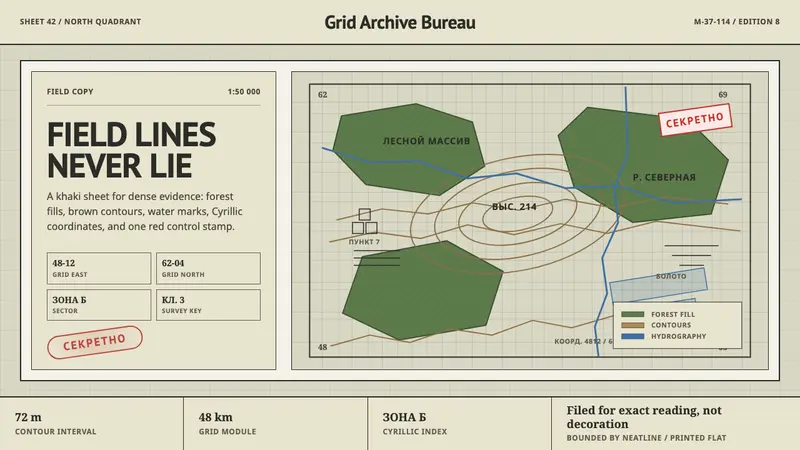 Soviet Classified MapAustere field intelligence. Khaki grid, forest green fills, brown contours, red stamp.